
Window Camera vs Outdoor Security Camera: What’s the Difference?
If you want to monitor your driveway, yard, entrance, or parking area, you may wonder whether you really need to install a camera outdoors. A camera placed inside a window can also look outside, which can make installation easier, especially if you cannot drill into an exterior wall. But the two setups are not interchangeable in every situation. The window glass can affect the image, particularly at night, while an Outdoor Security Camera gives you more freedom to cover larger areas and hard-to-see spots.
In this guide, we’ll compare a Window Camera and an Outdoor Security Camera based on installation, outdoor coverage, night vision, motion detection, and everyday use. You’ll learn when a Window Camera may be enough, when an Outdoor Camera makes more sense, and when using both can give you better coverage.
What Is a Window Camera and an Outdoor Security Camera?
Both Window Cameras and Outdoor Security Cameras can be used to monitor what is happening outside your home. The main difference is where the camera is installed and how it views the outdoor area. A Window Camera stays indoors and looks through the glass, while an Outdoor Security Camera is installed outside and captures the scene directly. Understanding this difference is the first step in deciding which setup fits your needs.
What Is a Window Camera?
A Window Camera is a security camera designed to monitor the outdoors while staying inside your home. It is mounted against the inside of a window, with the lens facing outward through the glass. Unlike a traditional Outdoor Security Camera, the camera itself remains indoors while still giving you a view of the area outside.
Window Cameras are an emerging alternative to traditional outdoor installation, especially for people who want outdoor monitoring without mounting a camera on an exterior wall. Girafit has focused specifically on this category, pioneering Window Camera solutions for renters, apartments, and other spaces where outdoor installation may be difficult. Today, Girafit has sold more than 200,000 units on TikTok Shop, reflecting the growing interest in this type of outdoor monitoring.

Imagine a second-floor apartment with a window facing the driveway. Instead of drilling into the exterior wall, you place a Window Camera against the glass from inside. The camera stays safely indoors while the driveway outside appears directly in the live view of your phone.
What Is an Outdoor Security Camera?
An Outdoor Security Camera is a security camera designed to monitor areas outside a home or property. It is typically installed on an exterior wall, eave, pole, or other outdoor surface, with the camera positioned to capture a direct view of the surrounding area. Because it remains exposed to outdoor conditions, outdoor models are generally built with features such as weather resistance and durable housing to support outdoor use.
Outdoor cameras have become an important part of modern home security, particularly for monitoring entrances, driveways, yards, and property boundaries. According to Grand View Research, outdoor deployment accounted for the largest share of the global surveillance camera market in 2025. As the category has developed, it has also expanded into different product types, including fixed bullet and dome cameras, PTZ cameras, and doorbell cameras. Newer models increasingly combine features such as AI detection, two-way audio, spotlights, and sirens to meet different outdoor monitoring needs.
Window Camera vs Outdoor Camera: Key Differences
The biggest difference is where the camera is installed and how it monitors the outdoor area. A Window Camera is installed indoors directly on a window and monitors outside through the glass, while an Outdoor Security Camera is installed outdoors and captures the scene directly.
| Factor | Window Camera | Outdoor Security Camera |
|---|---|---|
| Camera Location | Indoors | Outdoors |
| Installation | Attaches directly to the inside of a window | Mounted on a wall, eave, pole, or other outdoor surface |
| Drilling | No drilling required | May require drilling or exterior mounting |
| Outdoor View | Monitors the area outside through the window | Monitors the area outside directly |
| Image Quality | Clear outdoor image through glass | Clear outdoor image with a direct view |
| Night Vision | Clear nighttime view through glass | Clear nighttime view with a direct view |
| Motion Detection | Motion detection through glass | Motion detection outdoors |
| Weather Exposure | Protected indoors from rain, snow, and other outdoor conditions | Exposed to outdoor weather conditions |
| Camera Placement | Limited to windows that provide a suitable view of the area | Can be positioned in different outdoor locations |
| Tamper Protection | Less exposed and harder to reach from outside | More exposed because the camera is installed outdoors |
| Visibility | More discreet from outside | More visible and can provide a stronger visual deterrent |
| Best For | Window-visible areas, apartments, rentals, and no-drill setups | Wider outdoor areas, blind spots, property perimeters, and visible security |
Can a Security Camera Work Through a Window?
If you want to monitor a driveway, front entrance, parking area, or backyard, placing a security camera inside a window can seem like a simple alternative to installing one outdoors. This can be especially useful for renters and apartment residents who may not be allowed to drill into exterior walls, or for anyone who wants to avoid outdoor mounting and wiring.
A regular Indoor Security Camera can see outside through a window, especially during the day. However, the glass becomes part of the camera's viewing path, which can affect the footage. The main things to consider are image quality, night vision, and motion detection.
What Happens When You Use an Indoor Camera to Monitor Outside?
- Image Quality
A regular indoor camera can often capture a clear view of the area outside during the day, but the window itself can affect what appears in the footage. Reflections from indoor lights, TV screens, or the camera's indicator light can appear on the glass, while window screens, dirty glass, curtains, blinds, frames, and sills can block or reduce part of the view.
Camera position also makes a difference. A camera placed too far from the window or at an angle can capture more reflections and indoor objects. Keeping the lens close to the glass and facing the window directly can help maintain a clearer view of the outdoor scene.
- Night Vision
Nighttime can be more challenging because many indoor security cameras use infrared (IR) light for night vision. When the camera is behind a window, some of the IR light can reflect off the glass and return to the lens, creating glare, bright spots, haze, or a washed-out image instead of clearly illuminating the outdoor area.
Indoor lighting can make the problem worse because lamps, TVs, monitors, and other light sources may also reflect off the glass. If the camera supports it, turning off IR can prevent the camera's own infrared light from reflecting on the window, but the outdoor area will then need enough ambient light for the camera to capture a usable image.
- Motion Detection
Motion detection depends on the technology used by the camera. PIR sensors detect changes in infrared radiation associated with heat from people or animals, so window glass can interfere with the thermal signal reaching the sensor. As a result, PIR-based motion detection may be less reliable when the camera is placed behind a window.
Image-based or AI detection works differently because it analyzes what appears in the camera's image rather than relying on heat passing through the glass. It can detect people, vehicles, or pets through a window when the outdoor image is clear, although reflections, glare, poor nighttime visibility, window screens, or distant subjects can still affect detection accuracy.
How Can You Improve a Regular Indoor Camera Behind a Window?
- Turn off IR: If the camera allows it, disable the infrared lights in the night vision settings. This prevents the camera's own IR light from reflecting off the glass and can reduce the white haze, glare, or washed-out images that often appear at night.
- Move the camera close to the glass: Place the camera lens as close to the window as possible, ideally with the lens nearly touching the glass. This reduces the space between the camera and the window, helping limit reflections and indoor objects appearing in the footage.
- Face the window directly: Position the camera straight toward the window instead of pointing it at an angle. This reduces reflections from the glass and helps keep the outdoor area centered in the camera's field of view.
- Reduce indoor light: Turn off or move away from lamps, TVs, monitors, and other bright light sources near the window. This reduces light reflecting off the glass, making the outdoor scene easier to see, especially at night.
- Add outdoor lighting: If turning off IR makes the outdoor area too dark, add a porch light, yard light, or outdoor IR light near the area you want to monitor. This provides illumination outside the window so the camera can capture more usable nighttime footage without relying on its built-in IR.
Why Use a Window Camera Instead?
A Window Camera is designed specifically for monitoring outside through a window. Instead of adapting a regular Indoor Camera to work behind glass, it is built around the image, night vision, detection, and installation challenges that come with through-window monitoring.
- Designed to reduce reflections and glare: A Window Camera is designed to sit directly against the inside of the window, helping reduce reflections from indoor lights and other objects between the camera and the glass. This keeps more of the outdoor scene visible and helps maintain a clearer image.
- Designed for nighttime viewing through glass: A Window Camera can use specialized imaging technology designed for through-window night monitoring. For example, Girafit's ChroMax AI technology is designed to deliver clearer, more natural nighttime images through glass while reducing the glare and white haze that can occur when traditional IR night vision reflects off a window.
- Designed for outdoor activity detection: A Window Camera can use image-based or AI detection to identify people, vehicles, pets, and other activity visible outside. Because this type of detection analyzes the camera image rather than relying on a PIR sensor to detect heat through the glass, it is better suited to monitoring activity on the other side of a window.
- Designed specifically for window installation: A Window Camera is designed to attach directly to the inside of a window, keeping the camera in a stable position with the lens facing outward. This provides a purpose-built setup without requiring an exterior mount, drilling, or improvised positioning.
In short, a regular Indoor Camera can be adapted for through-window monitoring, but a Window Camera is purpose-built for it. It is designed to address the common challenges of monitoring through glass, from reflections and nighttime image quality to outdoor activity detection and window installation.
When Is a Window Security Camera Enough?
A Window Security Camera can be enough when the area you want to monitor is clearly visible from a window and you do not need full perimeter coverage. If walls, trees, neighboring buildings, or the window structure block the view, an Outdoor Security Camera may be needed to cover those areas.
When Can a Window Camera Replace an Outdoor Camera?
A Window Camera can replace an Outdoor Camera for some specific monitoring needs, but it is not a universal substitute. It can be a good fit when:
- The target area is clearly visible from a window: For example, you may want to monitor a driveway, parking space, or building entrance that can be seen clearly from your window without major obstructions or blind spots.
- You only need to watch a specific area: If your main concern is a front door, driveway, or parking spot rather than the entire property, you may not need the wider coverage that an Outdoor Camera can provide.
- Outdoor installation is difficult: If you live in a rental apartment or a building where exterior modifications are restricted, mounting a camera on an outside wall may not be practical.
- You prefer to avoid drilling or exterior wiring: For example, if you do not want to drill into a wall or run a power cable outdoors, keeping the camera inside can make installation simpler.
- You want a more discreet setup: If you prefer not to have a visible camera mounted on the exterior of your home, placing the camera indoors behind a window keeps it less noticeable from outside while still allowing you to monitor a specific outdoor area.
Who Is a Window Camera Best For?
A Window Camera can be a practical choice for people who want to monitor outside without installing a camera on an exterior wall. Different models are designed for different viewing needs, from simple outdoor monitoring to wider coverage and more advanced detection.
For Simple Window Monitoring: Girafit W150
- 2K QHD resolution for clear outdoor views
- ChroMax AI color night vision for clearer low-light images
- Person and motion detection for activity alerts
- Easy window installation without drilling
The W150 is a good fit for renters and apartment residents who want a simple way to monitor an outdoor area visible from their window. Its 2K resolution, person detection, and easy window installation make it suitable for everyday monitoring without a complicated setup.

Girafit W150 2K WiFi Window Security Camera
3MP 2K Window Camera with ChroMax AI Color Night Vision, Person Detection, Motion Detection, and 24/7 Recording.
Learn MoreFor Second-Floor Windows: Girafit W520
- 20° downward tilt for ground-level viewing
- 2K QHD resolution for clear outdoor views
- ChroMax AI color night vision for clearer low-light images
- Person and motion detection for activity alerts
The W520 is designed specifically for users with a second-floor window who want to monitor the area directly below, such as a driveway, entrance, or parking space. Its 20° downward tilt helps capture a better view of the ground-level area from a second-floor window.

Girafit W520 20° Tilt Window Security Camera
2K Window Camera with ChroMax AI Color Night Vision, 24/7 Monitoring, and Easy Installation.
Learn MoreFor More Detail and Advanced Detection: Girafit W550S
- 3K resolution for higher image detail
- Built-in display for time, temperature, humidity, and event information
- AI detection for people, pets, and vehicles and Glass-break
The W550S is suited to users who want higher image detail and more advanced outdoor activity detection through a window. Its 3K resolution and AI detection for people, pets, and vehicles make it a fit for users who want more information from the activity happening outside.

Girafit W550S 3K Window Camera
3K Window Security Camera with ChroMax AI Night Vision, Motion Detection, and Smart Outdoor Monitoring.
Learn MoreFor Wider Indoor and Outdoor Coverage: Girafit W750
- Dual 2K lenses for simultaneous indoor and outdoor views
- ChroMax AI 2.0 color night vision
- Built-in display for time, temperature, humidity, and event information
- AI detection for people, pets, and vehicles and Glass-break
- Privacy cover for added privacy control
The W750 is designed for users who want to monitor both the outdoor area beyond the window and the indoor space around it. Its dual-view design uses two lenses to provide simultaneous indoor and outdoor views, making it useful for apartments or other spaces where one window camera needs to cover more than one area.

Girafit W750 3MP 2K dual view window security camera
3MP 2K for simultaneous outdoor and indoor view 125 wide angle 4x zoom ChroMax AI 2.0 Color night vision recording Person Pet Vehicle Detection Easy Install on window.
Learn MoreWhen Is an Outdoor Security Camera the Better Choice?
An Outdoor Security Camera is a better choice when you need direct coverage of a larger or harder-to-see outdoor area. Because you can install it in different outdoor locations, you have more freedom to choose the position and viewing angle that best matches the area you want to monitor.
When Should You Use an Outdoor Security Camera?
- You need wider outdoor coverage: Use an Outdoor Camera when you want to monitor a driveway, backyard, side yard, or a larger part of your property.
- You need to cover areas a window cannot see: Outdoor installation lets you place the camera around the side or back of a property where a window may not provide a useful view.
- You need a direct nighttime view: Without window glass between the lens and the outdoor scene, an Outdoor Camera avoids glass-related reflections that can affect nighttime footage.
- You want more freedom to choose the viewing position: You can install the camera where it provides the most useful angle for the area you want to monitor.
Who Is an Outdoor Security Camera Best For?
Outdoor Cameras are a practical choice for homeowners and property owners who can install a camera outside and want flexible outdoor monitoring. Girafit's T350S and K300 offer similar core monitoring features, but differ in how you adjust the viewing angle.
For Remote PTZ Viewing: Girafit T350S
- 3K 5MP resolution for detailed outdoor monitoring
- 360° pan and 180° tilt for remote viewing
- AI detection for people, pets, and vehicles
- IP65 weather resistance for outdoor use
The T350S is suited to users who want to change the camera's viewing direction after installation. As a PTZ camera, it can be remotely panned and tilted from the app, making it useful when you want to check different parts of a driveway, backyard, or other open outdoor area without physically moving the camera.

For a Set Viewing Angle: Girafit K300
- 3K QHD resolution for detailed outdoor monitoring
- Manual 360° horizontal and 180° vertical adjustment
- AI detection for people, pets, and vehicles
- IP65 weather resistance for outdoor use
The K300 is suited to users who already know which area they want to monitor. Its viewing angle can be manually adjusted during installation, allowing you to point the camera toward a specific entrance, driveway, backyard, or other outdoor area and keep that view in place.
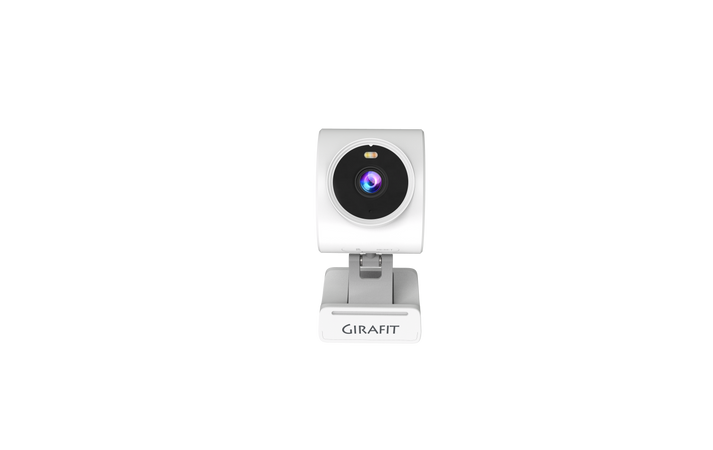
Girafit K300S 3K Wi-Fi Outdoor/Indoor Security Camera
3K 5MP QHD Indoor/Outdoor Security Camera, AI Person Detection & Motion Alerts, Custom Detection Zones, Two-Way Audio, Live View, Works with Alexa
Learn More
Can You Use Both Types of Security Cameras Together?
You do not always have to choose between a Window Camera and an Outdoor Security Camera. In many homes, the two can work together to cover areas that one type of camera may not be able to monitor effectively. A Window Camera can handle outdoor areas that are clearly visible from inside, while an Outdoor Camera can cover areas that require a different mounting position or a wider view.
Here are some common situations where using both can make sense:
- Your driveway is visible from a window, but the side yard is not. A Window Camera can monitor the driveway from inside the home, while an Outdoor Camera installed on the side of the house can cover the side yard and other areas hidden from the window.
- You can see the front entrance from an upstairs window, but need to monitor the backyard. A Window Camera can provide a view of the entrance without exterior installation, while an Outdoor Camera can be positioned in the backyard to monitor an area that cannot be seen through the window.
- You want to monitor both ground-level activity and the property perimeter. A Window Camera can monitor a specific area such as a driveway, parking space, or entrance, while Outdoor Cameras can cover the sides, corners, and other parts of the property.
- You live in a rental or apartment but still have areas that need wider coverage. A Window Camera can provide no-drill monitoring from a suitable window, while an Outdoor Camera can be used in locations where exterior installation is permitted and additional coverage is needed.
Using both types can help reduce blind spots and give you more complete coverage without requiring every camera to be installed outdoors. Instead of forcing one camera to cover everything, you can use each type where it works best: Window Cameras for areas clearly visible through a window, and Outdoor Cameras for areas that need direct or more flexible outdoor coverage.
Conclusion
Choosing between a Window Camera and an Outdoor Security Camera comes down to the area you need to monitor, the coverage you want, and how you can install the camera. A Window Camera can be a practical option when the area is clearly visible through a window, especially for renters, apartment residents, and no-drill setups. An Outdoor Security Camera gives you more flexibility when you need to cover wider areas, blind spots, or parts of your property that cannot be seen from a window.
You also do not have to choose just one. Using a Window Camera for window-visible areas and an Outdoor Camera for larger or harder-to-see areas can help reduce blind spots and create more complete coverage around your home.
Ready to find the right camera for your setup? Explore Girafit's Window Cameras and Outdoor Security Cameras to see which option fits your home.
Frequently Asked Questions
1. Can a Security Camera Work Through a Window?
Yes. A security camera can monitor an outdoor area through a window, especially when there is a clear view and the camera is positioned close to the glass. However, reflections, glare, screens, curtains, and other obstructions can affect the image. For this type of setup, a purpose-built Window Camera is designed specifically for monitoring outdoors through glass.
2. Do Security Cameras Work Through Windows at Night?
They can, but nighttime viewing can be more challenging. If the camera uses infrared night vision, some IR light may reflect off the glass and create glare, haze, or bright areas. A purpose-built Window Camera is designed to address these challenges for clearer nighttime monitoring through glass.
3. Why Does My Camera Reflect at Night Through a Window?
The camera's infrared illuminator can send IR light toward the window, and some of that light may reflect back toward the lens. This can create bright spots, haze, or a washed-out image. Keeping the camera close to the glass and reducing indoor light can help minimize the effect.
4. Does Motion Detection Work Through Glass?
It depends on the camera's detection technology. PIR sensors may be less reliable through glass because they rely on thermal radiation, while image-based and AI detection can analyze the camera's captured image. However, reflections, glare, and poor image quality can still affect detection accuracy.
5. Can I Use an Indoor Camera to Monitor Outside?
An indoor camera can sometimes capture an outdoor view through a window, but it may not be designed specifically for this type of setup. If you plan to monitor outside through glass, look for a camera designed for window placement and consider its field of view, nighttime performance, and detection method.
6. Can a Window Camera Replace an Outdoor Security Camera?
Sometimes. A Window Camera can be enough when the area you want to monitor is clearly visible from a window and you do not need full perimeter coverage. An Outdoor Security Camera is generally a better fit for wider areas, blind spots, direct outdoor monitoring, or situations where visible deterrence is important.